




Winter has a habit of making people suspicious of new technology, and electric vehicles are no exception. As temperatures drop in Frederick, MD, it’s perfectly reasonable to ask how an EV will behave when the roads are cold, the mornings are frosty, and comfort matters just as much as efficiency. Fortunately, Chevrolet has approached winter EV performance with the sort of careful engineering that favors preparation over optimism.
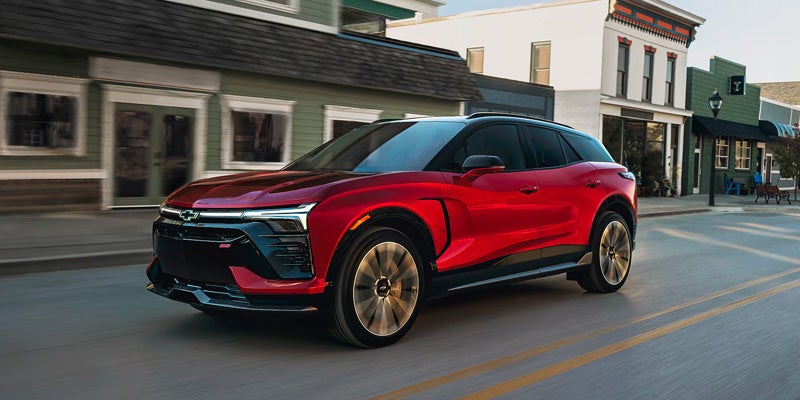
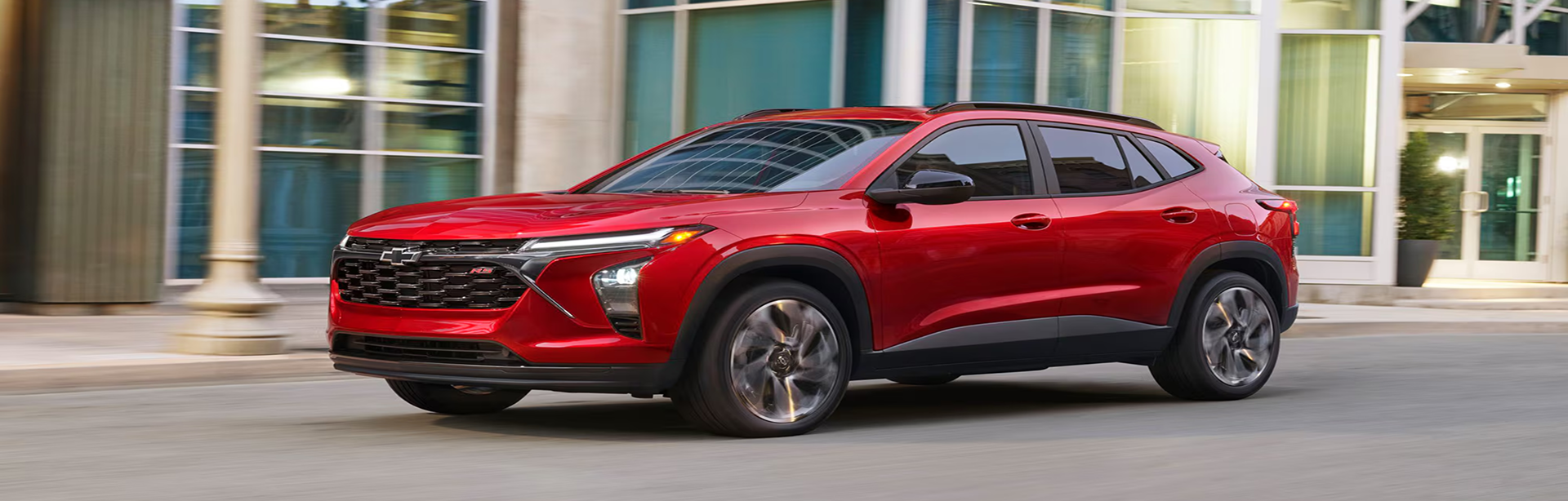
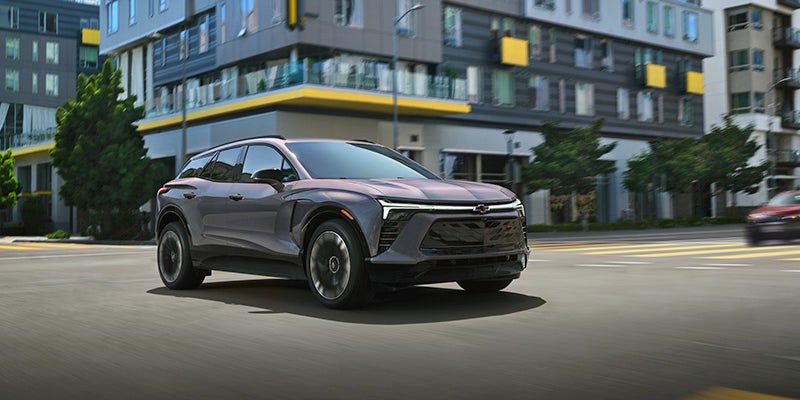
Models such as the Chevrolet Blazer EV and Equinox EV are designed to remain dependable in cold weather, combining intelligent thermal management with practical features that make winter driving feel familiar rather than experimental.
How Chevrolet EVs Cope with Cold Weather
At the heart of Chevrolet EV winter performance is an advanced thermal management system. In simple terms, the battery is kept within an optimal temperature range, even when outside conditions drop below freezing. This allows power delivery and charging behavior to remain consistent, rather than becoming unpredictable or sluggish.
For daily driving around Frederick, MD, this means fewer surprises. The vehicle behaves as expected, range remains usable, and the EV experience continues to feel deliberate and well controlled. Heated seats and steering wheels—available on both the Blazer EV and Silverado EV—further reduce the need to rely heavily on cabin heating, which helps preserve energy without sacrificing comfort.
Available AWD on select Blazer EV configurations adds another layer of reassurance, improving traction on snow-covered or slushy roads and making winter conditions feel far less dramatic than they often appear.
Sensible Ways to Preserve Cold-Weather Range
Cold temperatures do place additional demands on any EV, but the impact is manageable with a few practical habits. Preconditioning the cabin and battery while the vehicle is still plugged in allows the car to draw energy from the charger rather than the battery itself. This small step can make a noticeable difference on short winter drives.
Planning charging stops also becomes slightly more important in winter. While Chevrolet’s expanding public charging network around Frederick, MD, makes this straightforward, it’s still wise to account for the extra energy used for heating. Calm, consistent driving helps as well. Smooth acceleration and effective use of regenerative braking allow the vehicle to recover energy that would otherwise be lost, improving efficiency without effort.
Tire pressure deserves attention in cold weather, too. As temperatures fall, pressure drops, increasing rolling resistance and reducing range. Keeping tires properly inflated improves both efficiency and overall stability on winter roads.
Why Chevrolet EVs Make Sense in a Frederick Winter
What sets Chevrolet EVs apart in cold conditions is not a single feature, but the overall balance of engineering decisions. Selectable drive modes, including Snow/Ice mode on the Blazer EV, adjust throttle response and traction behavior to suit slippery surfaces. The Equinox EV, meanwhile, pairs a comfortable, well-insulated cabin with advanced climate controls that maintain warmth without unnecessary energy use.
Chevrolet’s battery technology is designed to limit cold-weather range loss, not eliminate it entirely through marketing promises, but reduce it to a level that feels manageable and predictable. Combined with fast-charging capability and growing charger availability, the result is an EV that feels prepared rather than compromised during winter months.
Visit Fitzgerald Chevrolet Frederick
For drivers in Frederick, MD, curious about electric vehicles that remain practical through winter, Fitzgerald Chevrolet Frederick offers a full lineup of Chevrolet EVs ready for cold-weather driving. From the confident design of the Silverado EV to the everyday usability of the Equinox EV, these vehicles demonstrate that winter does not require a return to old habits—just thoughtful engineering and a sensible approach to driving.